Fertilizers: fertilizer or soil amendment, how to choose
A fertilizing product is anything that feeds plants or improves the soil. There are two main families: fertilizers, which give plants their nutrients, and soil amendments, which improve soil structure, humus and soil life. Germiflor has made both since 1885 in Aussillon, in southern France. Here is how to tell them apart, read a label and choose, in the garden and on the farm.
Fertilizer, soil amendment: the definitions
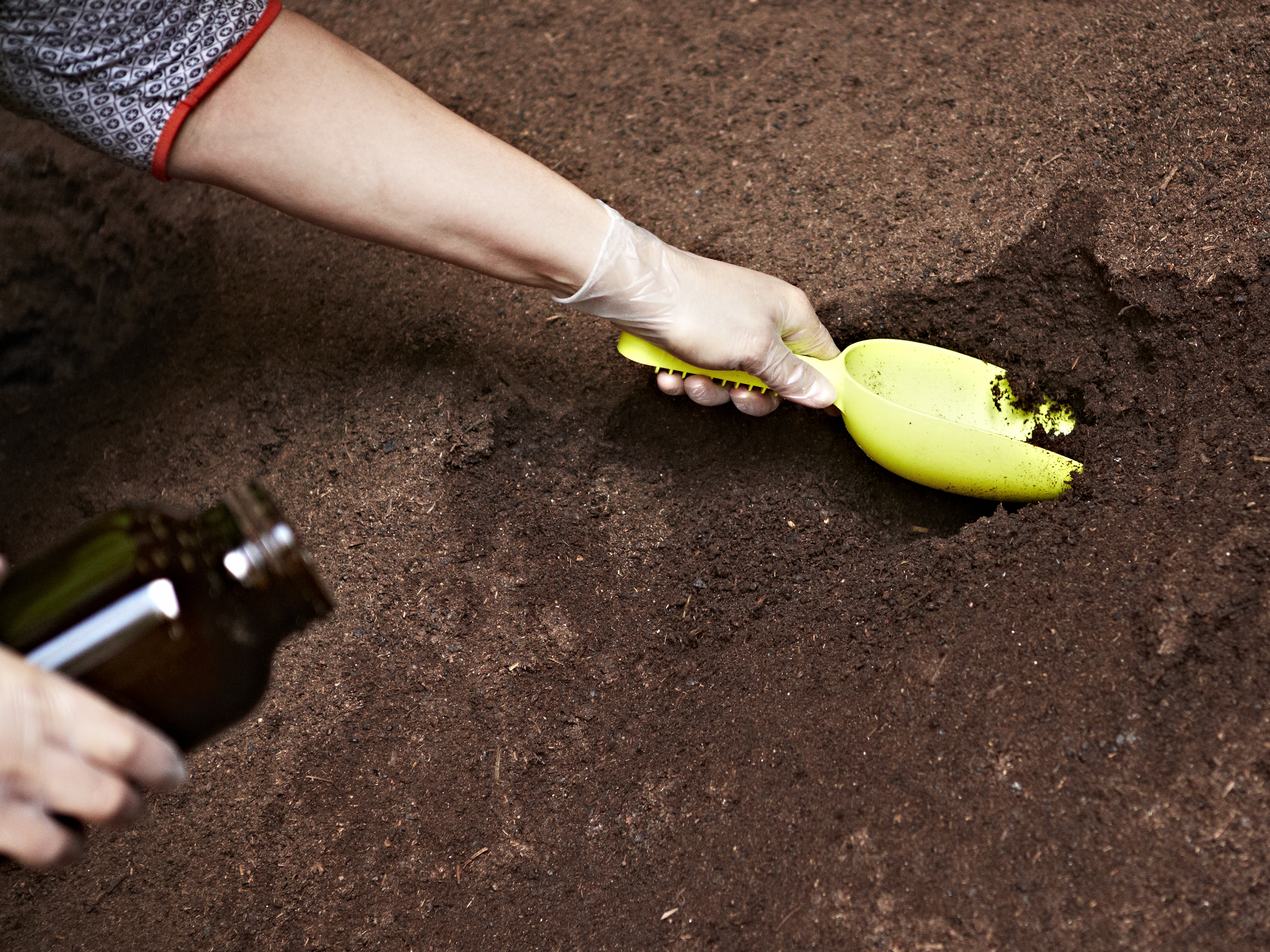
French law (Rural Code, article L255-1) defines fertilizing materials as products meant to feed plants or to improve the physical, chemical and biological properties of soils. A fertilizer feeds the plant: it supplies directly usable nutrients, nitrogen (N), phosphorus (P) and potassium (K), plus magnesium, sulphur compounds, calcium and trace elements. A soil amendment feeds the soil: it improves its structure, humus, water-holding capacity, pH or microbial life. In French, “fertilisant” covers both; growing media such as potting soil form a separate family.
The difference matters when you choose. On a soil low in humus, part of the fertilizer is lost, because the soil holds nutrients poorly: its CEC, or cation exchange capacity, is low. That is why you look after the soil first, then the plant.
The families of fertilizing products and what they do
One question sorts them out: does this product feed the soil, the plant, or both?
Which product for which job?
| Family | What it does | Reference | At Germiflor |
|---|---|---|---|
| Organic soil amendment | Feeds the soil: stable humus, structure, water-holding capacity, microbial life | Standard NF U 44-051; organic matter, ISMO, C/N | Humiflor® Biomazor®, Germi’One®, Orvega®, Mazor® No. 7In the garden: BIOMAZOR and ORVEGA® |
| Liming material | Corrects soil acidity (pH) and supplies calcium or magnesium | Standard NF U 44-001 | Lime and limestone: we do not make them |
| Organic fertilizer | Feeds the plant from plant or animal materials, released gradually by soil life | Standard NF U 42-001; NPK content | AB’Flor® 13 N, Biogerm® 3-2-2 |
| Organo-mineral fertilizer | Combines an organic base with mineral nutrients: higher nutrient content, faster availability | Standard NF U 42-001; NPK content | AB’Flor®, Deltaflor®, Fructiflor®, Mikroflor®In the garden: POTAGER, FRUITIER, ORVEGA 6® |
| Mineral fertilizer | Supplies soluble, fast-acting nutrients, with no organic matter for the soil | Standard NF U 42-001 or CE marking | We do not make them: our formulas always keep an organic base |
| Growing medium | Hosts the roots: planting or potting mix | Standard NF U 44-551 | Germiplant® |
| Biostimulant | Stimulates natural processes of the plant or the soil, such as nutrient uptake | Regulation (EU) 2019/1009 | A possible addition, never a substitute for soil care and nutrition |
Exact claims (standard, allowed in organic farming, Vegan) are on each product page. For a formula made for your farm or your brand, from 12 to 25 tonnes depending on the formula: toll manufacturing.

HUMIFLOR® BIOMAZOR®
Brings soil life back and improves structure and water-holding capacity. Mazor® base.
See the product sheet
AB’FLOR® 7-5-7 S + 2 MgO SE
NPK 7-5-7 with 2 MgO and sulphur: balanced nutrition for demanding crops.
See the product sheet
POTAGER
For vegetables and herbs, in 3 and 5 kg tubs or 20 kg bags.
See the product sheet
GERMIPLANT® - Growing Medium (Planting Mix)
Planting mix that encourages rooting and secures plant establishment.
See the product sheet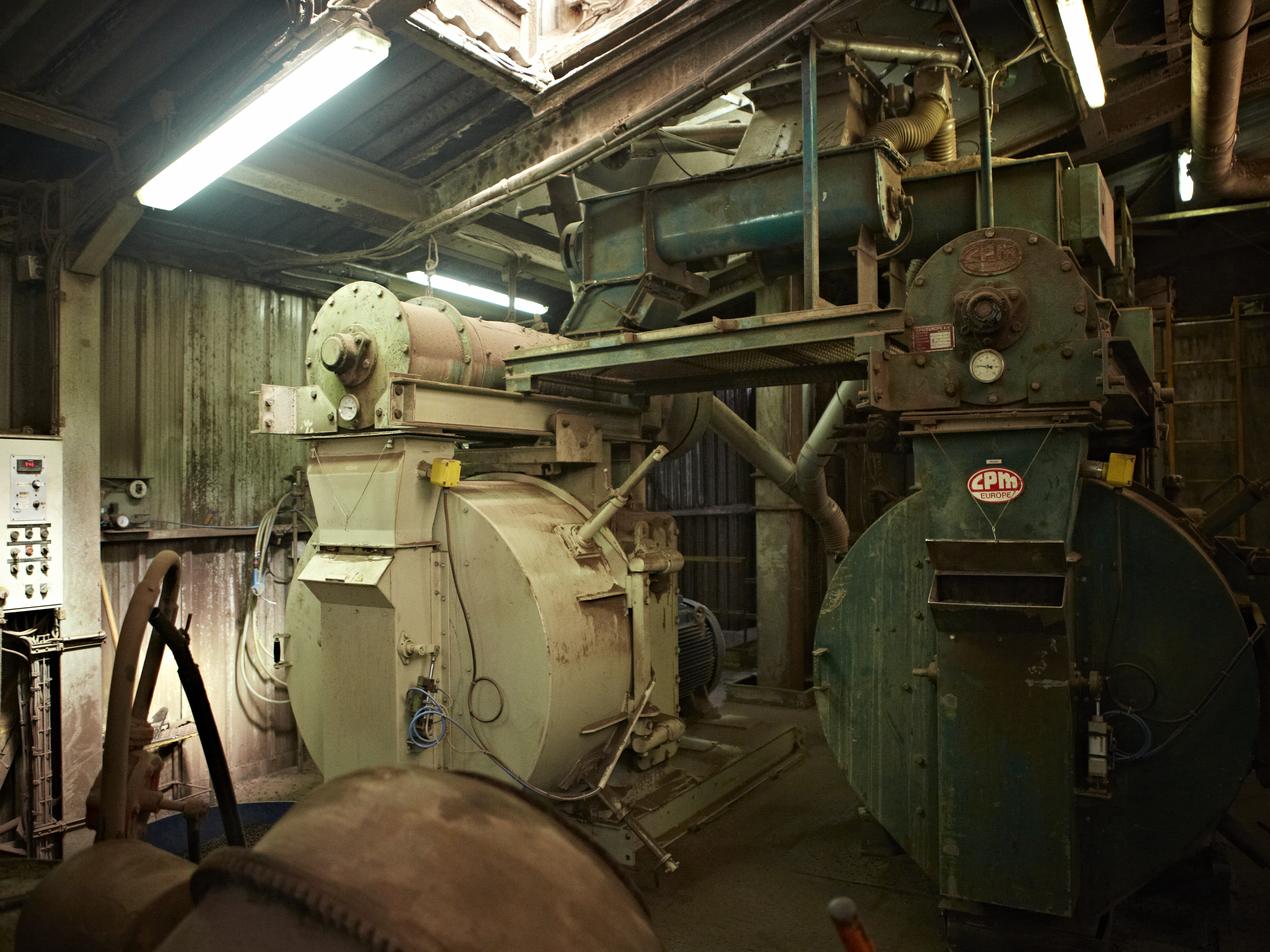
Organic, organo-mineral, mineral: three ways to feed
An organic fertilizer is made from plant or animal materials. Its nutrients are not soluble straight away: soil life releases them gradually, faster when the soil is warm and moist. It feeds the plant over time and keeps soil biology active. A mineral fertilizer supplies soluble nutrients, available at once, but nothing for the soil, and whatever the plant does not take up can be leached. An organo-mineral fertilizer bridges the two: an organic base, composted in our case, and a mineral share for higher content and faster availability.
In France, synthetic fertilizers are banned for non-agricultural uses from 1 January 2027 at the latest (Climate and Resilience Act, article 269): private gardens, local authorities and private grounds. Fertilizers allowed in organic farming are not affected. Details are in our article France’s 2027 synthetic fertilizer ban.
Reading a label: NPK, organic matter, standard
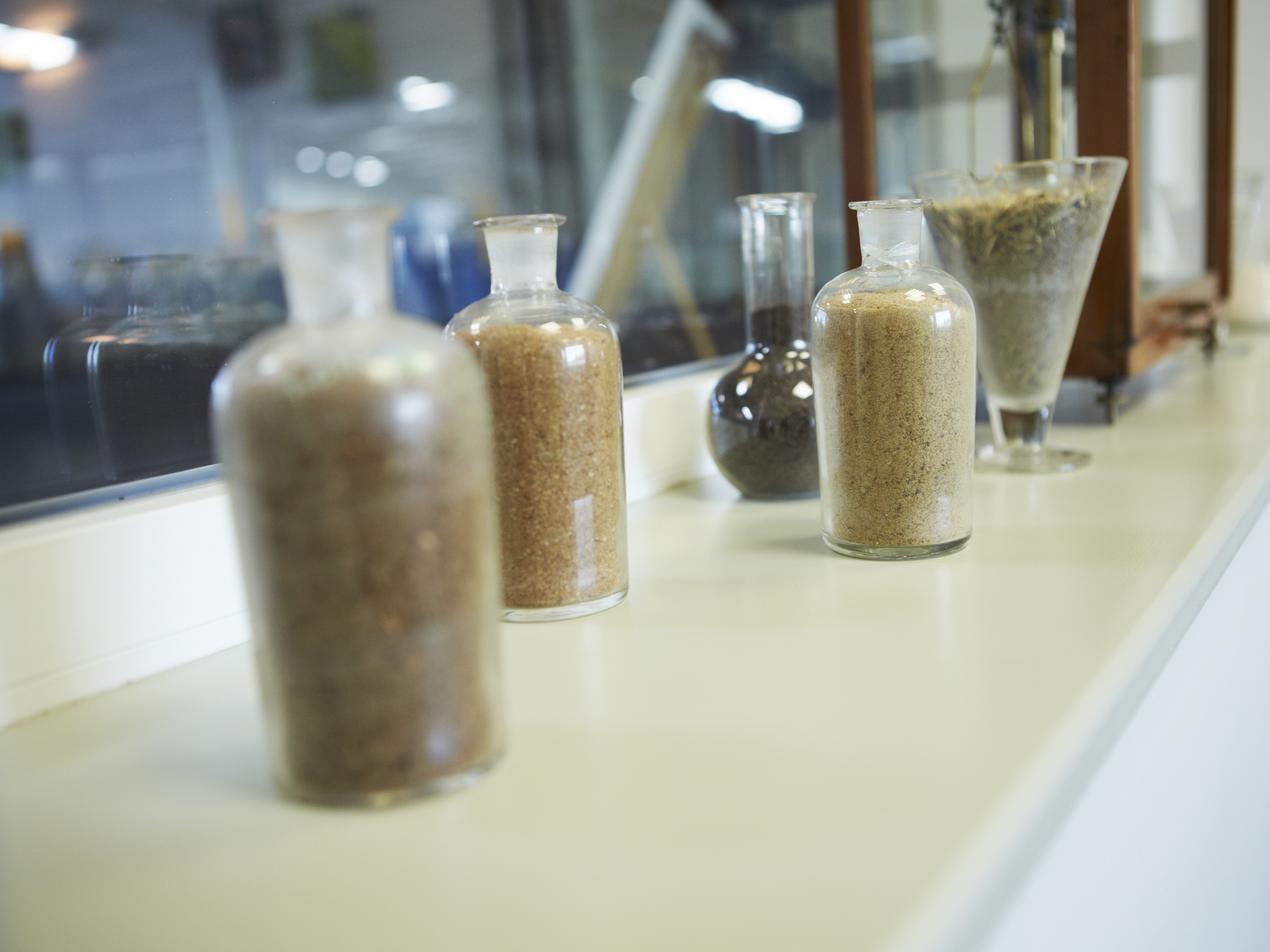
The three figures on a fertilizer, such as 4-8-10, give its nitrogen (N), phosphorus (as P₂O₅) and potassium (as K₂O) content, as a percentage of weight. 100 kg of a 4-8-10 therefore supply 4 kg of nitrogen, 8 kg of P₂O₅ and 10 kg of K₂O; spread at 500 kg/ha, it provides 20 kg of nitrogen per hectare. Then come the secondary nutrients: magnesium (MgO), sulphur (SO₃) and calcium (CaO).
For an organic soil amendment, look at the organic matter (OM), the ISMO, or organic matter stability index, which shows the share able to become stable humus, and the C/N ratio: low, the amendment releases its nitrogen quickly; high, it breaks down slowly. Example: Germi’One® shows 55% OM, an ISMO of 59 and a C/N of 19.
Finally, the standard (NF U 42-001 for fertilizers, NF U 44-051 for organic soil amendments, NF U 44-551 for growing media) and the claim “allowed in organic farming”: a fertilizing product does not carry the organic label, it is either allowed in organic farming or not, under Regulation (EU) 2018/848.
- NPK: N, P₂O₅ and K₂O as % of weight
- OM, ISMO and C/N for soil amendments
- NF U standard and “allowed in organic farming”
Choosing a fertilizing product: the three-step method
The right product is the one that fixes what is holding your crops back. To find it, always the same order: soil, plant, then adjustments.
- 01Soil supportAutumnAfter harvest
A soil analysis every 4 to 5 years, then an organic soil amendment for humus and structure. Autumn is the season for soil amendments: the soil absorbs them over winter.
- 02NutritionLate winter, springRegrowth
An organic or organo-mineral fertilizer suited to the crop, with the rate set from the analysis and the target, split into several applications if needed.
- 03AdjustmentsIn seasonObservation
How the leaves look, vigour, soil condition: correct what is missing, in a targeted way. A biostimulant can add to this, not replace it.
The limiting factor decides: under Liebig’s law of the minimum, the most deficient nutrient caps the harvest, whatever the level of the others.
In the garden and on the farm: the same method, with different rates and pack sizes.

The Germis’ tip
Fresh, carbon-rich organic matter, such as straw or wood chips, borrows nitrogen from the soil to break down: that is nitrogen starvation, and young plants turn yellow. Once composted, the material arrives stabilized and takes nothing from the soil. Before you spread, check the C/N on the label.
Germi and Germinette, the Germiflor mascots
Germiflor know-how
A maker of fertilizing products since 1885
Our products come out of our plant in Aussillon, made from our own compost, Mazor®. Soil amendments, organic and organo-mineral fertilizers, planting mix: 93% of our range is allowed in organic farming.
Mazor® at the heart of our products
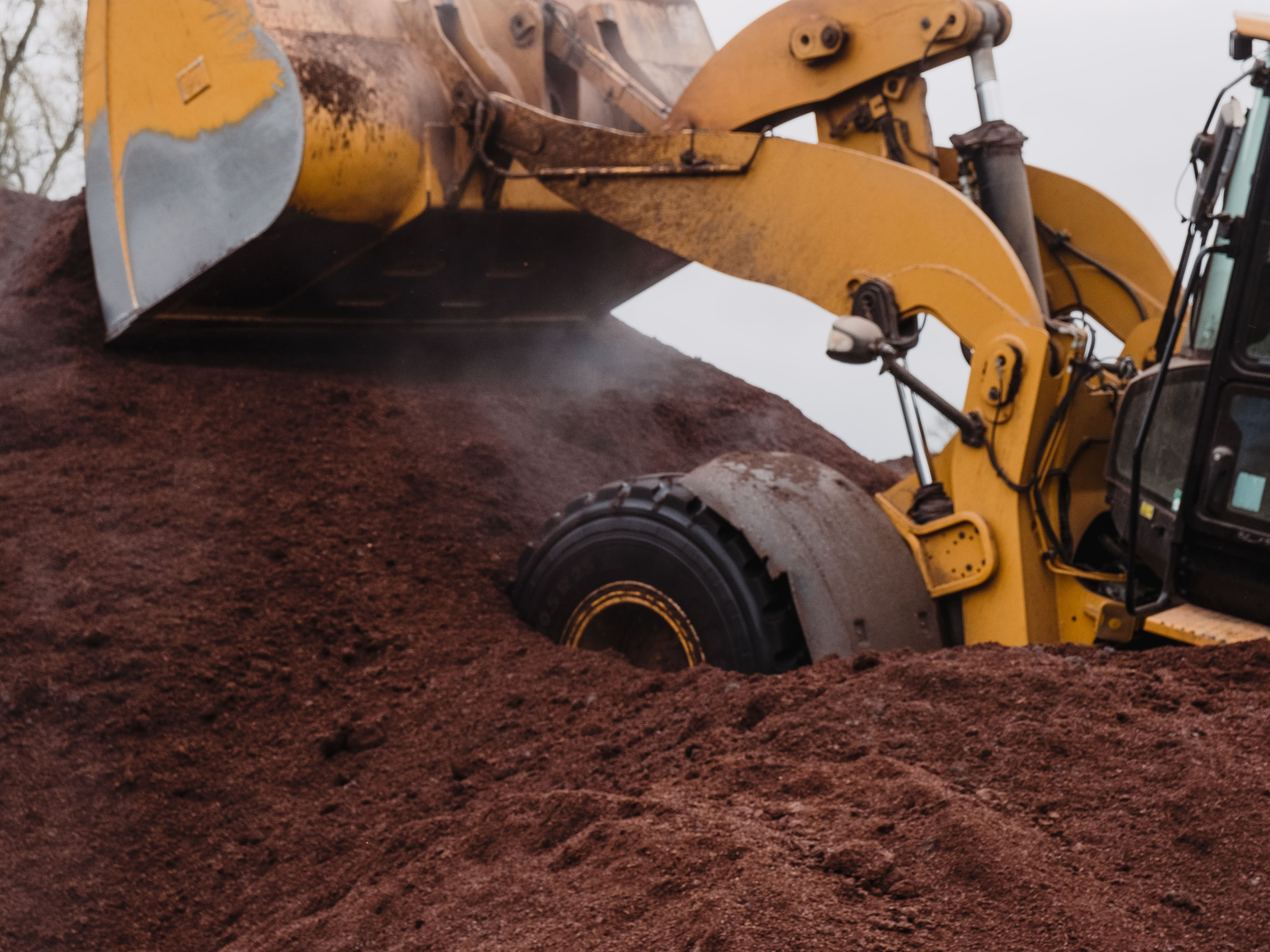
Our amendments and organo-mineral fertilizers are built on Mazor®, the result of seven months of controlled composting with the patented Cronops® process. Plant oilseed cakes, grape and olive pulp, coffee grounds and, depending on the formula, sterilized animal materials are transformed: carbon is stabilized, the C/N ratio falls, pathogens are eliminated and the microflora develops. That is what sets a composted material apart from the same material in its raw state.
Patented Cronops® process · FR2103847
- 7 months of controlled composting
- 1 billion micro-organisms per gram
- The basis of our amendments and organo-mineral fertilizers
On video
Fertilizing products explained by the Germis Academy
How our compost is made, what sets an organic fertilizer apart from a mineral one, and why the missing nutrient decides the harvest.


The right product for your crops
In the garden, the Marcel le Jardinier range brings together organic soil amendments and organo-mineral fertilizers for vegetable gardens, fruit trees, citrus and the whole garden, all allowed in organic farming.
For professionals, the professional range and our crop pages: vineyards, orchards, vegetables, field crops, pastures, turf and green spaces, horticulture.
For a formula under your brand or calculated from your soil: toll manufacturing and private label.
For many years, we have found a true partner in GERMIFLOR, attentive to what our markets expect, both in product quality and in the agronomic and logistics answers it provides.
 ArterrisOccitanie
Certifications and commitments




Fertilizing products: your questions
Our technical team’s answers to the questions we hear most, in the garden and on the farm.
What is a fertilizing product?
A product that feeds plants or improves the soil. French law (Rural Code, article L255-1) speaks of fertilizing materials: fertilizers, which feed the plant, and soil amendments, which improve the properties of the soil.
What is the difference between a fertilizer and a soil amendment?
A fertilizer feeds the plant with nutrients; a soil amendment works on the soil itself. In French, “fertilisant” covers both, while “engrais” means fertilizer only.
What are the types of fertilizing products?
Soil amendments, organic or liming, and fertilizers, organic, organo-mineral or mineral. Growing media and biostimulants are separate families.
What is the best fertilizer?
The one that fixes what is limiting your crop. A soil analysis shows it: low humus, pH too low, potassium deficiency… The best choice on one soil is not always the best on another.
Is manure a soil amendment or a fertilizer?
Mainly an organic soil amendment: it adds organic matter and maintains the soil, with some nutrients. Composted, it is more stable and more even than fresh.
Are coffee grounds a fertilizer?
Raw, they mostly add organic matter and a little nitrogen, released slowly. Composted, they become a stable soil amendment: they are one of the materials in our Mazor®, along with plant oilseed cakes and grape and olive pulp.
What do the NPK numbers mean?
The nitrogen (N), phosphorus (P₂O₅) and potassium (K₂O) content, as a percentage of weight. A 6-4-6 supplies 6 kg of nitrogen, 4 kg of P₂O₅ and 6 kg of K₂O per 100 kg of product.
Can a fertilizer be organic-certified?
A fertilizing product does not carry the organic label: it is “allowed in organic farming” or not, under Regulation (EU) 2018/848. That is the case for 93% of the Germiflor range; the claim is on each product page.
What is a natural fertilizer?
A fertilizing product of plant, animal or mineral origin, made without chemical synthesis, such as organic soil amendments and organic fertilizers. The official reference remains the claim “allowed in organic farming”.
When should I apply a soil amendment and a fertilizer?
The organic soil amendment in autumn, so the soil absorbs it over winter; the fertilizer in late winter or spring, at regrowth, as close as possible to the crop’s needs.
References: French Rural and Maritime Fishing Code, article L255-1; Regulation (EU) 2018/848 (organic farming); Regulation (EU) 2019/1009 (EU fertilizing products); French Climate and Resilience Act of 22 August 2021, article 269; Germiflor product sheets.
Guide written and approved by the Germiflor technical team, maker of organic and organo-mineral fertilizers since 1885 in Aussillon, France. Updated on .