Vegetable fertilizer for market gardening: in the field and under glass
Since 1885, Germiflor has been making organic amendments, planting mix and organo-mineral fertilizers in Aussillon, in the Tarn, for vegetable growers working in the open field and under glass. Our programme: an organic amendment to keep hard-worked soil in good condition, then a potash-rich fertilizer applied as close to planting as possible, and a top-up for long-season vegetables. For organic and conventional growers alike, with advice from our technical team.
Our solutions for vegetable growing
Organic amendments, planting mix and organo-mineral fertilizers: a range made in the Tarn for vegetables grown in the open field and under cover.
The right product for each situation
| Situation | What it needs | Germiflor product |
|---|---|---|
| Soil low in organic matter, open field | Plant-based amendment with a high ISMO | Humiflor® Germi’One®OM 55%, ISMO 59, C/N 19 · Organic, Vegan · 2 to 5 t/ha |
| Tired or solarized soil, under glass | Animal and plant-based amendment, low C/N ratio | Humiflor® Biomazor®OM 61%, ISMO 55, C/N 14 · Organic · 3 to 7 t/ha at establishment |
| Clay, crusting or compacted soil | Amendment that flocculates and aerates the soil | Humiflor® Humomaze®Mazor® and wool · OM 59%, ISMO 52 · Organic · 2 to 5 t/ha |
| Planting out transplants | Growing medium in the planting hole | Germiplant®Growing medium NF U 44-551 · 0.5 kg per hole |
| Base dressing, heavy-feeding vegetables | Complete, potash-rich organic fertilizer | AB’Flor® 4-8-10 S + 3 MgONPK 4-8-10 + 3 MgO · Organic · 1,000 to 1,200 kg/ha |
| Base dressing, 100% plant-based formula | Plant-based organo-mineral fertilizer with magnesium | AB’Flor® 6-4-6 V + 2 MgO SEOrganic, Vegan · work in straight after spreading |
| Tomato, pepper, melon, strawberry: growing for quality | Fertilizer rich in potash and magnesium | Fructiflor® 4-7-10 SK + 3 MgONPK 4-7-10 + 3 MgO · not approved for organic farming |
| Long-season crop short of nitrogen | Targeted application of concentrated organic nitrogen | AB’Flor® 13 N13% nitrogen · Organic · 700 to 1,000 kg/ha |
Rates as given on our product sheets. For fertilizers, the rate is calculated from the crop, the target yield and your soil analysis: our technical team works it out with you. For a formula made for your farm, from 12 t: contract manufacturing.
 100% Vegan
HUMIFLOR® GERMI’ONE®
Builds stable humus and improves the soil’s water-holding capacity. OM 55%, ISMO 59, C/N 19.
See the product sheet
HUMIFLOR® BIOMAZOR®
Revives biological activity in tired soils, under glass and in the open field.
See the product sheet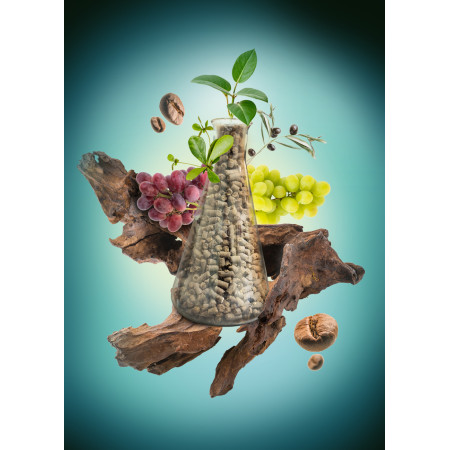
AB’FLOR® 4-8-10 S + 3 MgO (SE)
Rich in potash and magnesium, for vegetable quality and storage life.
See the product sheet
FRUCTIFLOR® - 4-7-10 SK + 3 MgO
Potash and magnesium for fruit size and firmness in tomatoes, peppers and melons.
See the product sheet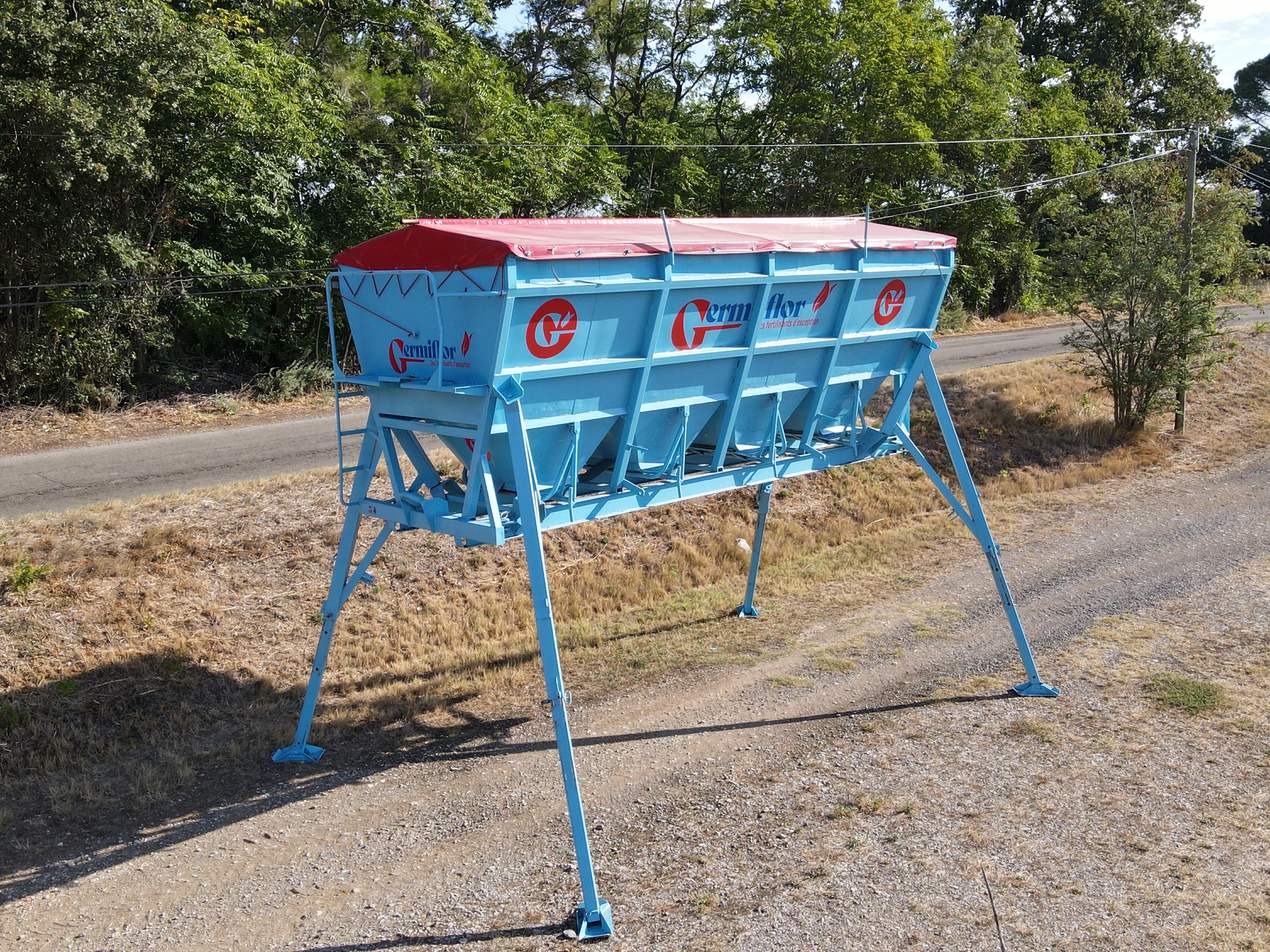
Delivery and equipment
Storage hoppers and a fertilizer spreader for your vegetable crops
From the south of France up to the Loire Valley, buying our fertilizers comes with equipment on loan, through your distributor or your Germiflor sales representative: a storage hopper installed on your farm and a spreader suited to your plots. The loan applies to all crops.
- Storage hopper installed on your farm
- Five spreader models, including placement and double-coulter spreaders
- Loan available only with Germiflor fertilizer purchases
Germiflor know-how
A manufacturer working alongside vegetable growers
Our products are made in our Aussillon factory from our own compost, Mazor®. From planting mix to base fertilizer, we cover the whole cycle of a vegetable crop, and we also offer liquid fertilizers for in-season top-ups.
Mazor® at the heart of our formulas
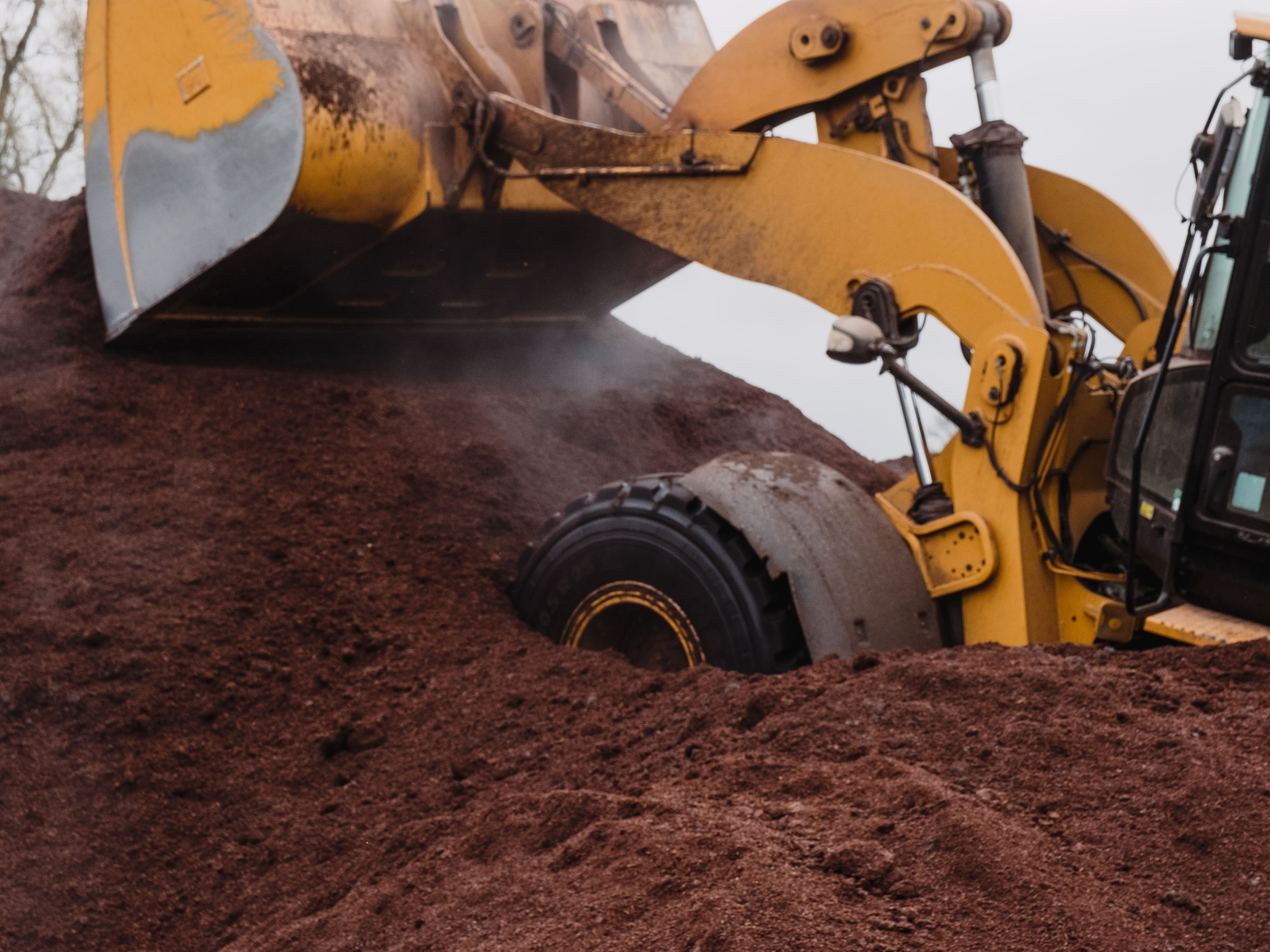
Our amendments and organo-mineral fertilizers are built on Mazor®, the result of seven months of controlled composting with the patented Cronops® process. Plant oilseed cakes, grape and olive pulp, coffee grounds and, depending on the formula, sterilized animal materials are transformed: carbon is stabilized, the C/N ratio falls, pathogens are eliminated and the microflora develops. That is what sets a composted material apart from the same material in its raw state.
Patented Cronops® process · FR2103847
- 7 months of controlled composting
- 1 billion micro-organisms per gram
- The basis of our amendments and organo-mineral fertilizers
On video
Mazor® and the Académie des Germis on video
How our compost is made, and the key concepts of fertilization explained by the Germis. All our videos, in French, are on our YouTube channel.


Vegetable fertilization: our three-step programme
Organic amendment between crops, base fertilizer before planting, in-season adjustments for long-season vegetables: three steps, crop by crop.
- 01Soil supportSpring or between cropsBefore the crop goes in
Organic amendment spread evenly and worked in shallowly. On retentive soil, a single spring application covers the season.
- 02NutritionBefore sowing or plantingBase fertilizer
Complete, potash-rich organic or organo-mineral fertilizer. On free-draining soil, apply it just before each sowing or planting.
- 03AdjustmentsDuring the growing seasonLong-season, heavy-feeding vegetables
Tomatoes or aubergines under cover, a confirmed deficiency, very free-draining soil: a top-up applied to the soil or through fertigation, guided by crop observation.
After applying fresh manure, wait 1 to 2 months before sowing or planting.
Nitrates Directive: in a nitrate vulnerable zone, follow the spreading calendar and the provisional fertilization plan under your regional action programme.

The Germis’ tip
Vegetable growers often apply more than is needed: on farms, the amounts actually spread frequently exceed the recommendations. Regular soil analysis, along with residual nitrogen checks on long-season crops, saves you paying for fertilizer that will end up leached.
Germi and Germinette, the Germiflor mascots
Vegetable nutrient needs
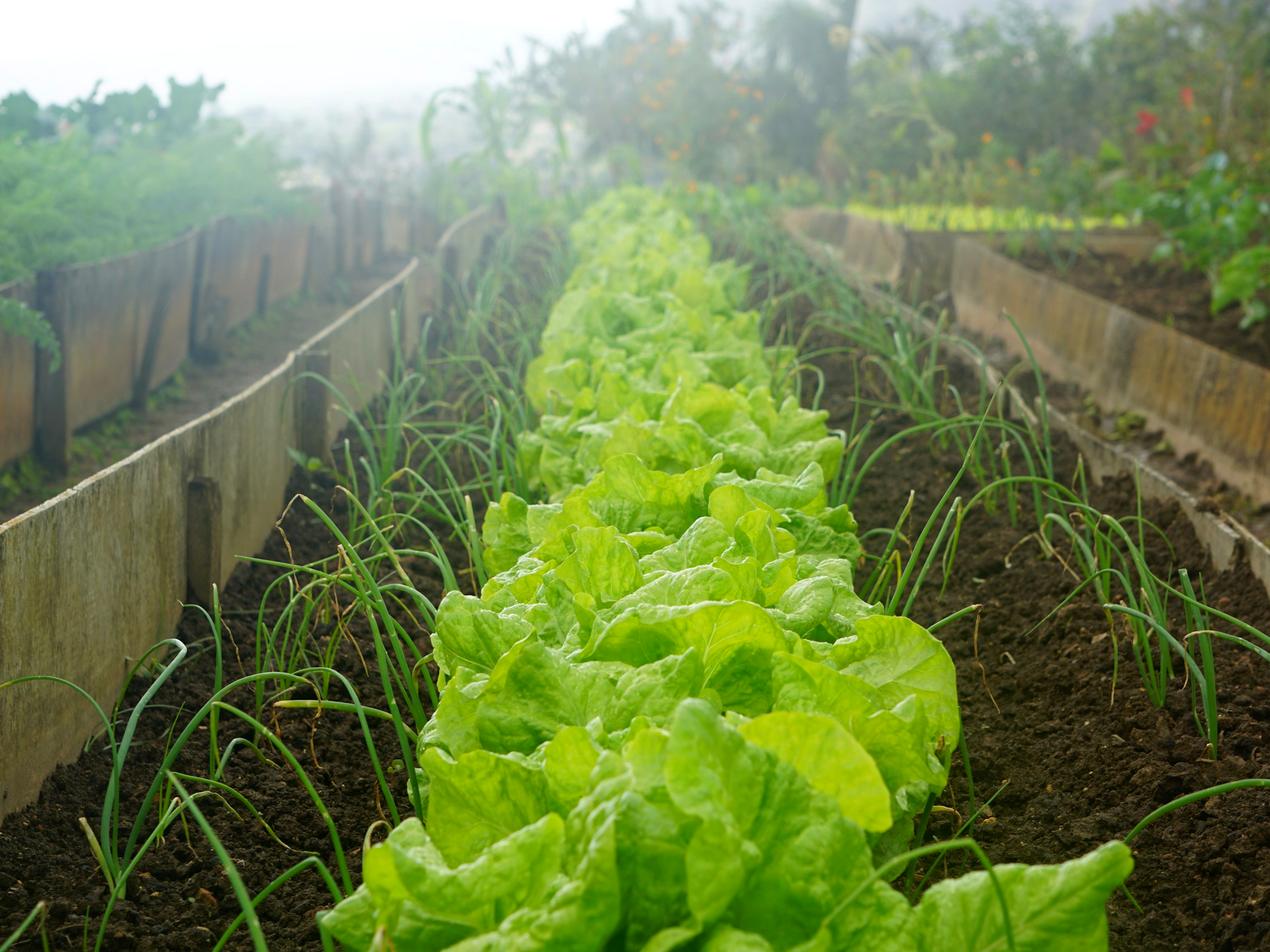
Not all vegetables have the same needs. They fall into three groups, according to how much they remove per hectare. Heavy feeders (tomato, courgette, pepper, aubergine, cucumber and cabbage): 150 to 300 kg of nitrogen and 200 to 400 kg of potash. Medium feeders (melon, onion, potato, carrot, lettuce and leek): 80 to 150 kg of nitrogen and 100 to 300 kg of potash. Light feeders (lamb’s lettuce, radish, bean and pea): 30 to 80 kg of nitrogen.
Market garden soil has a hard life: repeated cultivation, solarization, irrigation and machinery traffic wear down its organic matter and compact its structure. On soil that is already well supplied, an application of compost every 2 to 3 years is enough to maintain it; poor soil needs a build-up application first.
That is why our programme always follows the same order: soil support, nutrition, adjustments.
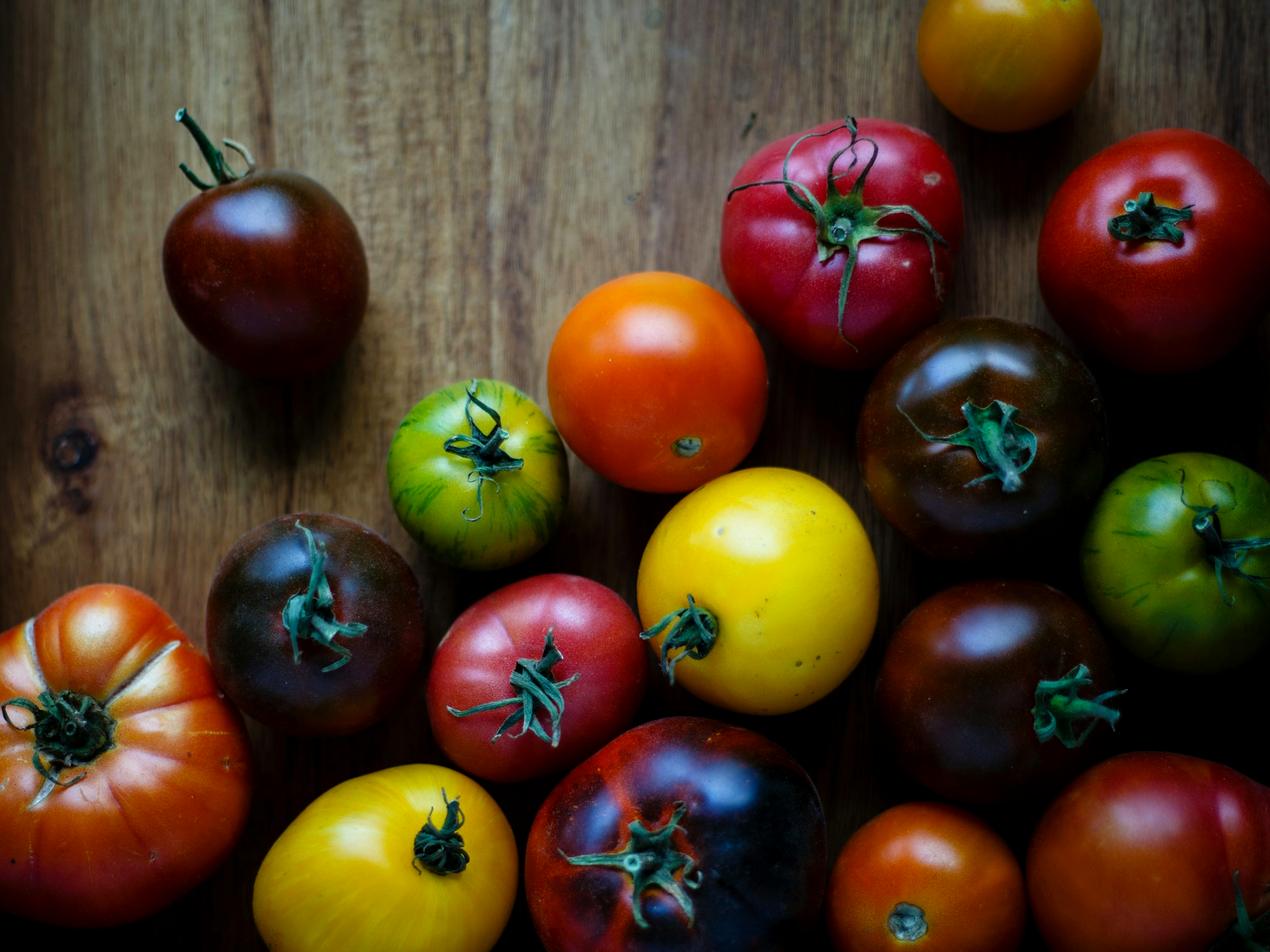
Tomato fertilizer: our advice
Tomatoes are among the heaviest-feeding vegetables: they need nitrogen for vegetative growth, then plenty of potash for fruit size, colour and firmness. Magnesium matters too, because too much potash holds back magnesium uptake.
For the base dressing, use a complete, potash-rich organic fertilizer such as AB’Flor® 4-8-10 S + 3 MgO, approved for organic farming, or Fructiflor® 4-7-10 SK + 3 MgO for conventional growing. The same approach applies to peppers, aubergines, melons and strawberries.
For tomatoes in a home vegetable garden, our Marcel le Jardinier Potager fertilizer is formulated for home gardeners.
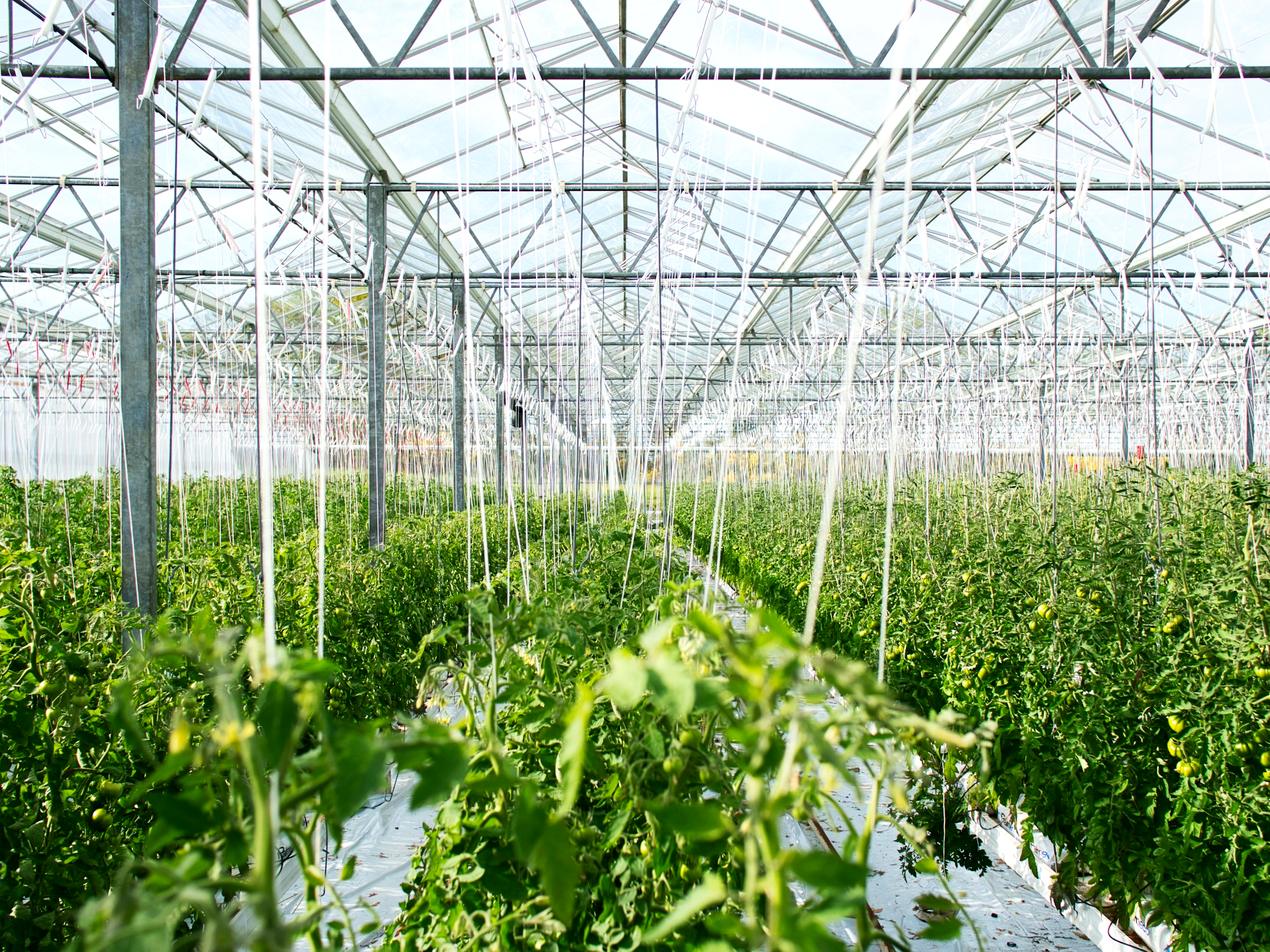
Under glass: more intensive fertilization
Under cover, crop cycles are longer and more intensive, and solarization speeds up the loss of organic matter. Amendment rates are therefore higher than in the open field: for our Humiflor® amendments, 3 to 7 t/ha at establishment and 2 to 5 t/ha for maintenance, compared with 2 to 5 and 2 to 4 t/ha in the open field.
For long-season crops, the base dressing is not always enough: an in-season top-up, applied to the soil or through fertigation, takes over. We also offer a range of liquid fertilizers, including foliar formulations: ask us which one suits your crops.
At planting, Germiplant®, our planting mix, gives transplants a secure start at 0.5 kg per planting hole.
GERMIFLOR has always had quality products, with helpful administrative and sales staff who listen to customers.
 Coopérative d’EyraguesBouches-du-Rhône
Certifications and commitments





Vegetable fertilizer: your questions
Our technical team’s answers to the questions vegetable growers ask us most often.
What fertilizer should I use for vegetables?
An organic amendment to keep the soil in good condition, then a complete, potash-rich organic or organo-mineral fertilizer before planting. The rate depends on the vegetable group: 150 to 300 kg of nitrogen per hectare for the heaviest feeders, 30 to 80 kg for the lightest.
What fertilizer do tomatoes need?
A fertilizer rich in potash and magnesium, such as AB’Flor® 4-8-10 S + 3 MgO for organic growing or Fructiflor® 4-7-10 SK + 3 MgO for conventional growing. Under cover, an in-season top-up is often needed.
When should I fertilize vegetable crops?
Apply the base fertilizer just before sowing or planting, especially on free-draining soil, and the organic amendment between crops or in spring. In-season top-ups are reserved for long-season, heavy-feeding vegetables.
What fertilizer should I use for strawberries?
A fertilizer rich in potash and magnesium for fruit quality and shelf life, such as AB’Flor® 4-8-10 S + 3 MgO or Fructiflor®, following an organic amendment at planting.
What fertilizer do potatoes need?
A potash-rich fertilizer: potatoes remove 100 to 300 kg of K₂O per hectare and 80 to 150 kg of nitrogen. Apply it before planting.
How should I fertilize crops under glass?
Use higher amendment rates than in the open field (3 to 7 t/ha at establishment for our Humiflor® amendments) and, for long-season vegetables, an in-season top-up applied to the soil or through fertigation.
How do you fertilize organic vegetable crops?
With compost or regular applications of organic amendment, plus a complete organic fertilizer approved for organic farming (93% of the Germiflor range is approved). In organic growing, a fast-mineralizing fertilizer goes on just before planting.
Should I apply fertilizer during the growing season?
Only in certain cases: an insufficient base dressing, a confirmed deficiency, very free-draining soil, or a long, heavy-feeding crop such as tomatoes under cover.
What fertilizer should I use in a home vegetable garden?
Our Marcel le Jardinier range is made for home gardens: Potager fertilizer for vegetables and herbs, and the Biomazor or Orvega amendments for the soil.
Does Germiflor lend spreaders to vegetable growers?
Yes, from the south of France up to the Loire Valley. When you buy our fertilizers, we lend storage hoppers and spreaders through your distributor or your Germiflor sales representative.
References: PACA Chamber of Agriculture, Fertilisation en maraîchage (Matières organiques factsheet No. 8, 2012); Germiflor product sheets.
Page written and approved by the Germiflor technical team, maker of organic and organo-mineral fertilizers since 1885 in Aussillon (Tarn, France). Updated on .
Planning your season? Talk it through with our technical team.