Field crop fertilizer: cereals, oilseed rape, maize and sunflower
Since 1885, Germiflor has been making organo-mineral and organic fertilizers in Aussillon, in the Tarn, for field crops: wheat, barley, oilseed rape, maize and sunflower. Our programme manages organic matter across the whole rotation, with an organic amendment before spring crops. Fertilizer is then matched as closely as possible to the crop’s needs, at spring regrowth or at sowing. Oilseed rape also gets sulphur. For conventional and organic farms alike.
Our solutions for field crops
Organic amendments for the rotation, organo-mineral and organic fertilizers for each crop: a range made in the Tarn.
The right product for each situation
| Situation | What it needs | Germiflor product |
|---|---|---|
| Rotation low in organic matter | Plant-based compost rich in stable humus, before a spring crop | Humiflor® Mazor® n°7 or Humiflor® Orvega®ISMO 77 and 52 · Organic, Vegan |
| Conventional wheat, barley, oilseed rape or maize | Nitrogen-dominant organo-mineral fertilizer with sulphur | Deltaflor® 11-3-5 CKNPK 11-3-5 · 500 to 800 kg/ha · not approved for organic farming |
| Organic cereals | Concentrated organic nitrogen in late winter | AB’Flor® 13 N13% nitrogen · Organic · 700 to 1,000 kg/ha |
| Maintaining fertility in organic farming | Plant-based organo-mineral fertilizer with potash, calcium and sulphur | AB’Flor® 5-3-9 VNPK 5-3-9 · Organic · 1,000 to 1,200 kg/ha |
| Biological soil fertility with regular applications | Low-analysis organic fertilizer with magnesium | Mikroflor Biogerm® 3-2-2 + 1 MgO1,000 to 1,200 kg/ha |
Rates are given on our product sheets. The actual rate is worked out with the balance method, from your yield target and your residual soil nitrogen; our technical team sets it with you. For a formula made specifically for your farm, from 12 t: contract manufacturing.
 100% Vegan
HUMIFLOR® MAZOR® n°7
Stable humus (ISMO 77) and 1 billion micro-organisms per gram, for the rotation.
See the product sheet
DELTAFLOR® - 11-3-5 CK
Nitrogen-dominant, with sulphur, for yield and protein content in cereals and oilseed rape.
See the product sheet
AB’FLOR - 13 N
13% organic nitrogen for organically grown cereals.
See the product sheet
AB’FLOR® 5-3-9 V
Potash, calcium and sulphur to maintain soil fertility in organic farming.
See the product sheet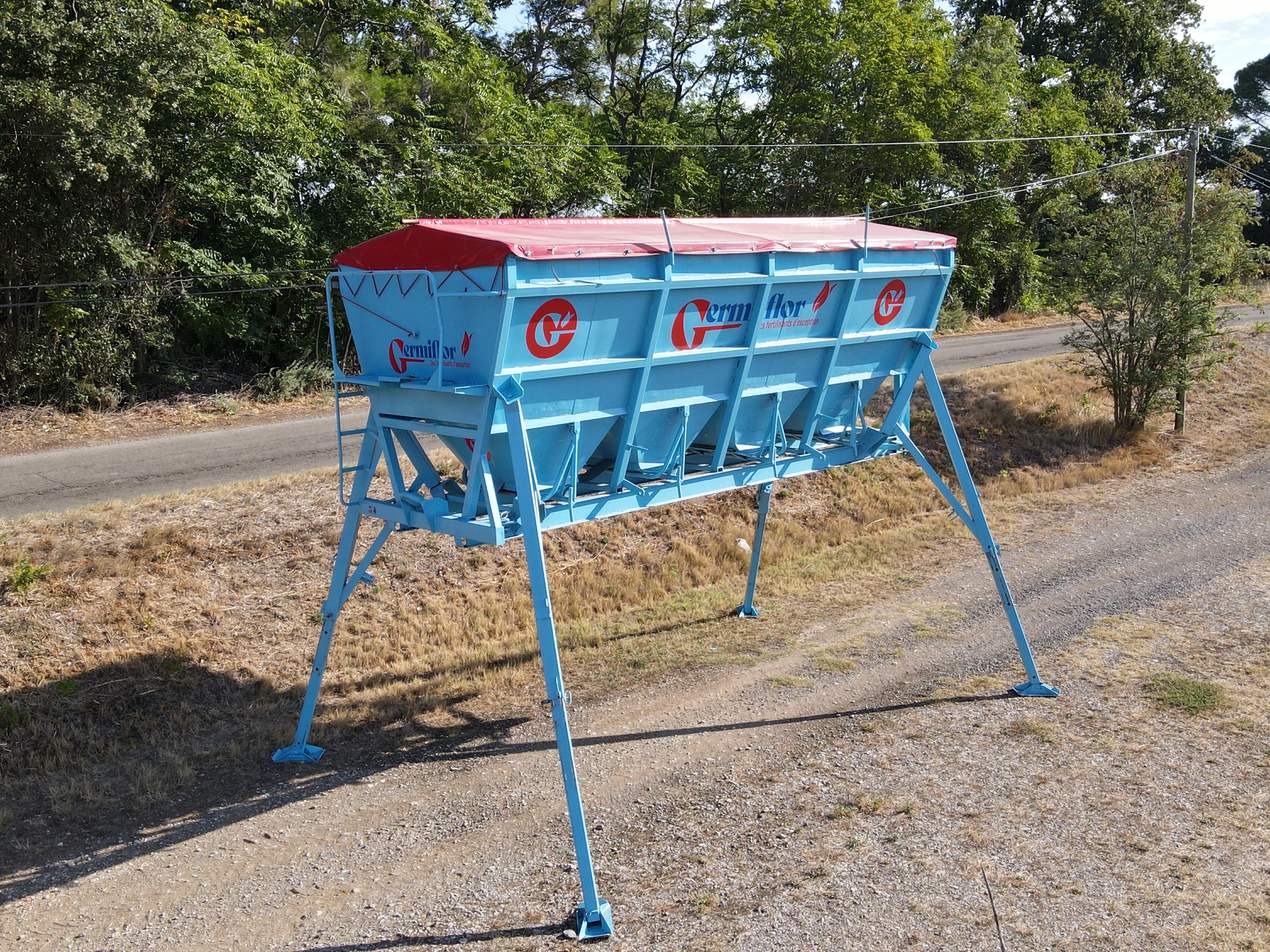
Delivery and equipment
Storage hoppers and a fertilizer spreader for your field crops
From the south of France up to the Loire Valley, buying our fertilizers comes with equipment on loan, through your distributor or your Germiflor sales representative: a storage hopper installed on your farm and a spreader suited to your plots. The loan applies to all crops.
- Storage hopper installed on your farm
- Five spreader models, including placement and double-coulter spreaders
- Loan available only with Germiflor fertilizer purchases
Germiflor know-how
A manufacturer working alongside arable farmers
Our fertilizers are made at our Aussillon plant as 5 mm granules for spreading, and are built on our own compost, Mazor®. Our technical team works out the rate with you using the balance method, and from 12 tonnes we manufacture a formula specific to your farm.
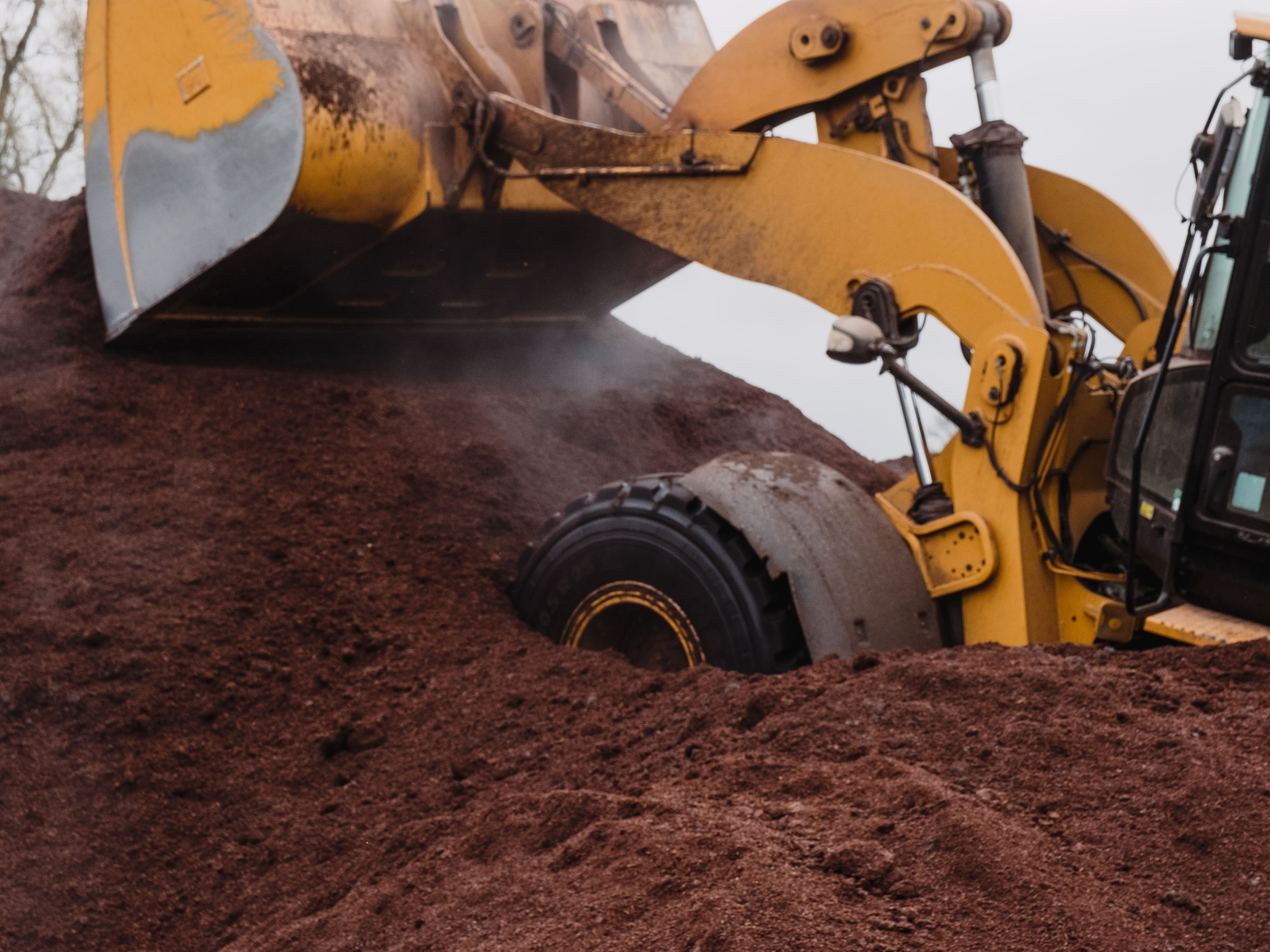
Mazor® at the heart of our formulas
Our amendments and organo-mineral fertilizers are built on Mazor®, the result of seven months of controlled composting with the patented Cronops® process. Plant oilseed cakes, grape and olive pulp, coffee grounds and, depending on the formula, sterilized animal materials are transformed: carbon is stabilized, the C/N ratio falls, pathogens are eliminated and the microflora develops. That is what sets a composted material apart from the same material in its raw state.
Patented Cronops® process · FR2103847
- 7 months of controlled composting
- 1 billion micro-organisms per gram
- The basis of our amendments and organo-mineral fertilizers
On video
Mazor® and the Académie des Germis on video
How our compost is made, and the key concepts of fertilization explained by the Germis. All our videos, in French, are on our YouTube channel.


Field crop fertilization: our three-step programme
Organic amendment across the rotation, fertilizer at regrowth or sowing, adjustment at stem elongation: three steps, depending on the crop.
- 01Soil supportLate winter or summerBefore maize, sunflower or oilseed rape
Organic amendment before spring crops, or after harvest ahead of oilseed rape. Autumn applications to winter cereals are ruled out by the Nitrates Directive.
- 02NutritionFebruary to AprilSpring regrowth or sowing
Organo-mineral fertilizer at spring regrowth for wheat, barley and oilseed rape; for maize and sunflower, at sowing, placed as close to the row as possible.
- 03AdjustmentsStem elongationGuided by crop monitoring
Second nitrogen application to cereals, based on biomass and crop monitoring tools; sulphur for oilseed rape from regrowth onwards, as uptake accelerates.
Before the 1 cm ear stage, wheat’s nitrogen needs are still low: apply too early and more nitrogen is lost than reaches the crop.
Nitrates Directive: in nitrate vulnerable zones, follow the spreading calendar, your forecast fertilization plan and the limits set by your regional action programme.

The Germis’ tip
Have the residual soil nitrogen in your fields measured in late winter. This is the nitrogen the soil already has available for the crop: subtracting it from the rate saves you buying fertilizer the wheat does not need, and limits losses to groundwater.
Germi and Germinette, the Germiflor mascots
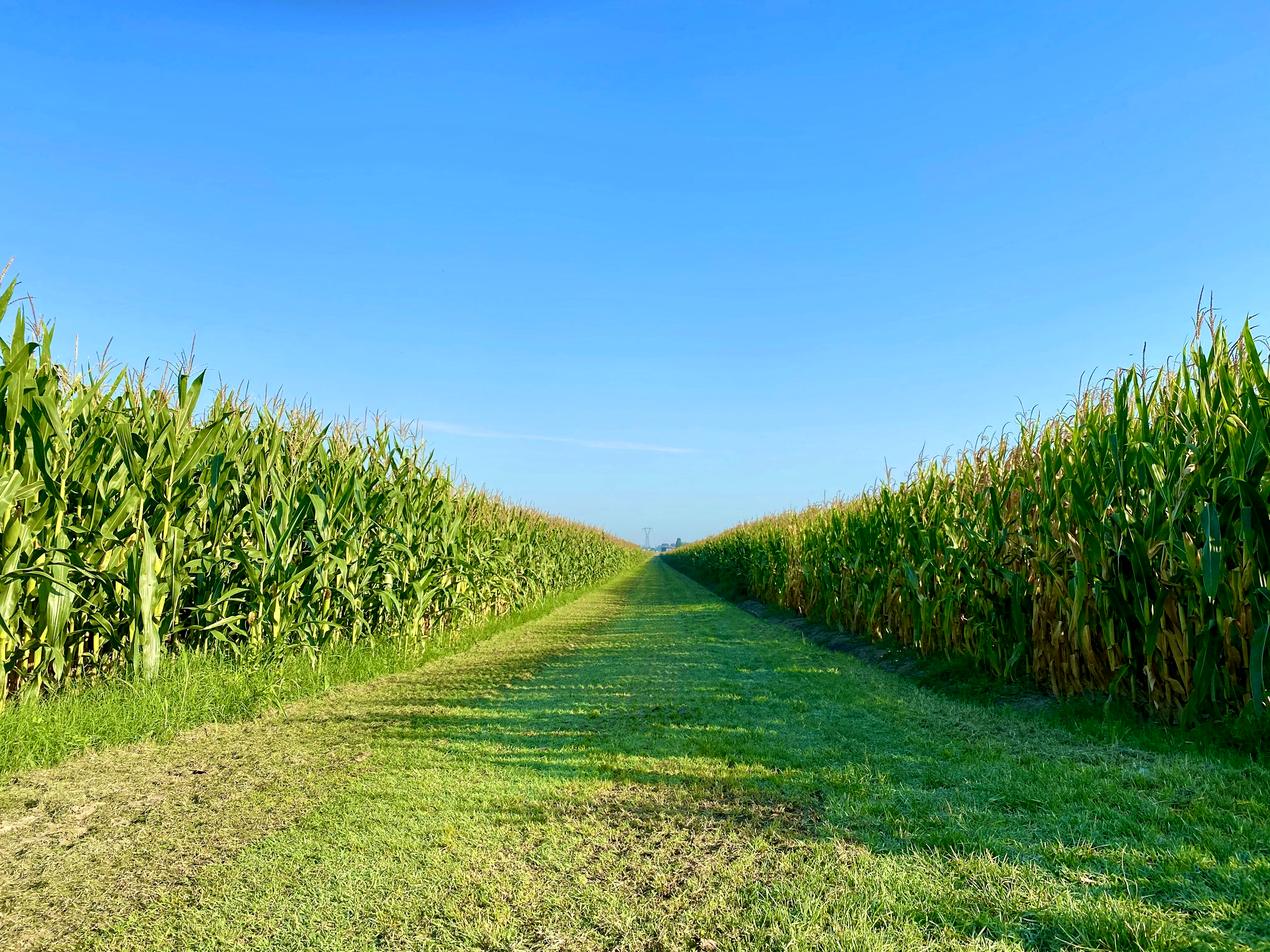
Planning fertilizer use in field crops
The nitrogen rate is calculated with the balance method: what the crop will take up to reach the yield target, minus what the soil will supply. Residual soil nitrogen measured in late winter and the field’s history make all the difference between two neighbouring fields.
Not all organic materials release their nitrogen at the same rate. Slurry and poultry droppings release 30 to 100% of it within a few weeks to a few months; manure and compost release only 10 to 40% quickly, and the rest the following year. Compost therefore feeds the soil first, while an organo-mineral fertilizer, with its immediately available mineral fraction, feeds the crop.
That is why our programme always follows the same order: soil support, nutrition, adjustments.
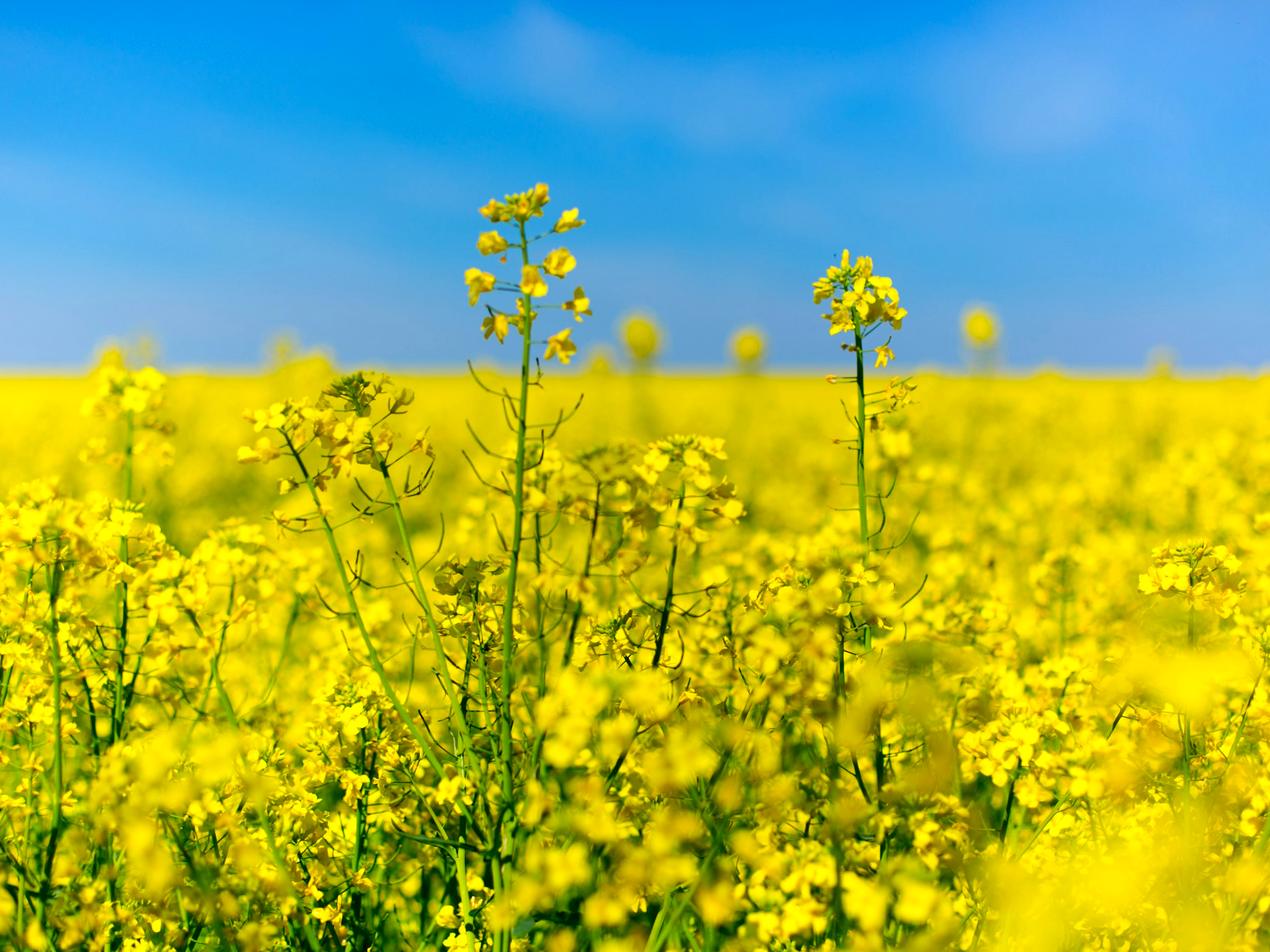
Fertilizer for oilseed rape with extra sulphur
Oilseed rape needs more sulphur than any other field crop: its total requirement is around 200 kg of SO3 per hectare, well above that of a cereal. Plan on applying 75 kg of SO3 per hectare in sulphate form, as a deficiency can cost 1 or even 2 tonnes per hectare.
Uptake picks up sharply from late winter, at the start of stem elongation, while sulphur in soil organic matter is still mineralizing slowly. The risk is higher on shallow, sandy or low-organic-matter soils, and after a wet winter. Conversely, where a field receives regular organic applications (every 2 to 3 years), the rate drops to about 50 kg.
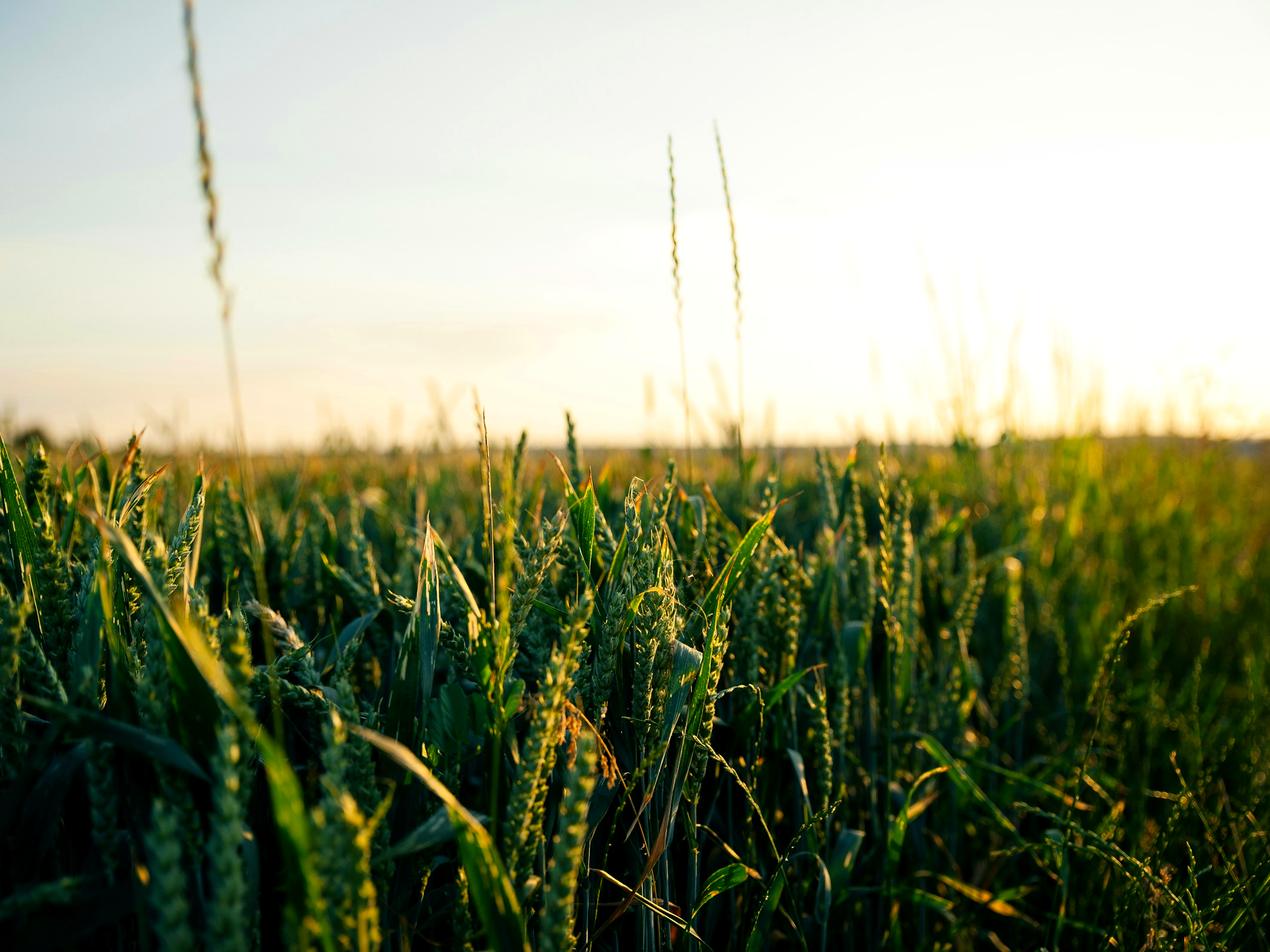
Cereals and oilseeds in organic farming
In organic arable farming, nitrogen is often the limiting factor. Concentrated organic fertilizers (more than 5% nitrogen) mineralize quickly enough to support a cereal in spring; for spring crops such as barley or maize, an application close to sowing works well.
For concentrated organic nitrogen approved for organic farming, AB’Flor® 13 N supplies 13% nitrogen; to maintain fertility with potash, calcium and sulphur, use AB’Flor® 5-3-9 V. Incorporate as soon as possible: a product rich in ammoniacal nitrogen can lose more than 40% of its nitrogen to volatilization within five hours of spreading.
We could simply mention product quality, MAZOR® like a diamond in the rough, noble inputs, product ethics, transparency… and the list goes on.
 Truchon DiffusionMarne, Aube
Certifications and commitments





Field crop fertilizer: your questions
Our technical team’s answers to the questions arable farmers ask us most often.
What fertilizer should I use for wheat?
A nitrogen fertilizer applied in late winter and at stem elongation, at the rate calculated with the balance method. In conventional systems, a nitrogen-dominant organo-mineral fertilizer such as Deltaflor® 11-3-5 CK; in organic systems, a concentrated organic nitrogen fertilizer such as AB’Flor® 13 N.
When should I apply fertilizer to wheat?
At spring regrowth, then at stem elongation according to crop monitoring. Before the 1 cm ear stage, wheat’s needs are low; autumn applications to winter cereals are ruled out by the Nitrates Directive.
What fertilizer should I use for oilseed rape?
A nitrogen fertilizer with sulphur, applied at spring regrowth. Allow 75 kg of SO₃ per hectare in sulphate form, or about 50 kg on a field that receives regular organic applications.
Why apply sulphur to oilseed rape?
Because its total requirement is about 200 kg of SO₃ per hectare, and a deficiency can cost 1 to 2 tonnes per hectare.
What fertilizer should I use for maize?
A nitrogen-dominant organo-mineral fertilizer, applied at sowing and placed as close to the row as possible. An organic amendment in late winter improves soil structure before drilling.
How should I fertilize organic cereals?
With concentrated organic fertilizers (more than 5% nitrogen) applied in late winter, or at sowing for spring crops, plus regular organic amendments across the rotation.
Are organic fertilizers effective on cereals?
Yes, if they are concentrated and applied at the right time. Composts release their nitrogen slowly, with only 10 to 40% of it released quickly: they mainly feed the soil, while an organic or organo-mineral fertilizer feeds the crop.
Does Germiflor lend a spreader for field crops?
Yes, from the south of France up to the Loire Valley. When you buy our fertilizers, we lend storage hoppers and spreaders through your distributor or your Germiflor sales representative.
References: Terres Inovia, besoins en soufre du colza (Terre-net, 2024); Réussir, exploiter au mieux les engrais organiques, with Arvalis (2022); nitrogen balance method (COMIFER); Germiflor product sheets.
Page written and approved by the Germiflor technical team, maker of organic and organo-mineral fertilizers since 1885 in Aussillon (Tarn, France). Updated on .
Planning a rotation? Talk it through with our technical team.